
Add Row
Add Element
cropper
update
Healthy Lifestyle
update
Add Element
  • Home
  • Categories
    • health
    • wellness
    • lifestyle
    • local news
    • travel
    • national news
    • Beauty
    • Featured
    • Your Body News
    • Your Smile News
    • Pet Care
    • Eyecare News
  • On Deck
July 12.2025
3 Minutes Read

CDSCO Questions Safety of Troikaa's Rapid IV Paracetamol Product – What’s Next?

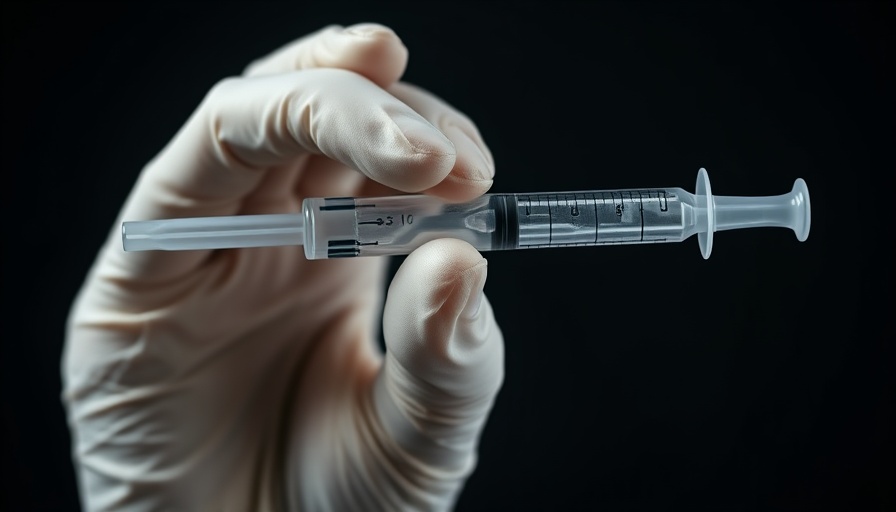
Safety efficacy gaps Troikaa rapid IV paracetamol syringe.

The Controversy Surrounding Troikaa's Rapid IV Paracetamol Proposal

Recently, Troikaa Pharmaceuticals faced scrutiny from the Indian health authorities regarding its proposal for a rapid intravenous (IV) paracetamol bolus solution. The Central Drugs Standard Control Organization (CDSCO) highlighted significant gaps in both safety and efficacy data necessary for evaluating the new formulation for approval. With a product that promises more rapid relief compared to traditional methods, the pressure is on Troikaa to provide robust data supporting its claims.

Why This Matters: Safety and Efficacy in Pharmaceuticals

The importance of safety and efficacy in pharmaceuticals cannot be overstated. When an innovative drug or treatment such as Troikaa's IV paracetamol is being introduced, health authorities must ensure that it not only works as intended but also doesn’t pose risks to patients. Missing or weak data can lead to health hazards, potentially undermining public trust in medical advancements.

Understanding the Proposed IV Paracetamol

Troikaa’s IV paracetamol aims to deliver pain relief swiftly, an appealing prospect for patients suffering from acute pain or fever. This product’s development has come at a critical time, given the ongoing demand for swift medical solutions in various health crises, including post-surgery recovery and critical care environments. However, its adoption hinges on proving that it is as safe and effective as existing alternatives.

Historical Context: Lessons from the Past

The pharmaceutical industry has a history of rushing new products to market amidst high demand, often resulting in recalls and safety warnings. For instance, the case of a popular anti-inflammatory drug that was withdrawn due to unforeseen side effects serves as a cautionary tale for both manufacturers and regulators. This historical backdrop emphasizes the need for thorough investigations before a new drug receives approval.

Parallel Examples: Other Cold Medications Under Scrutiny

In recent years, several cold medications have faced similar scrutiny. For instance, some decongestants marketed as safe and effective were later found to have inadequate safety profiles. As healthcare continues to evolve, these examples illustrate the necessity for robust clinical trials and transparent reporting of results in ensuring drug safety.

Regulatory Perspectives: The Role of the CDSCO

The CDSCO plays a pivotal role in drug approval in India, ensuring that all medicines marketed are both safe and effective. Their rigorous approach means that no stone is left unturned when it comes to validating new pharmaceuticals. This not only protects patients but also maintains the integrity of the healthcare system as a whole.

Future Predictions for Troikaa and the Industry

As the landscape of medicine continues to shift towards quicker, targeted therapies, products like Troikaa’s IV paracetamol could become commonplace—if they can substantiate their safety and efficacy. The demand for such rapid-acting medications will likely lead to innovations in testing and regulatory processes. It is essential for companies to embrace transparency and rigorous testing as the industry pushes towards rapid medication solutions.

Conclusion: A Call for Data-Driven Decisions

For Troikaa, responding to the CDSCO’s requests for additional data could pave the way for a successful launch of its rapid IV paracetamol product. In a healthcare environment that increasingly values immediacy, it is crucial that patient safety remains paramount and that regulatory bodies uphold strict standards for drug approval. As stakeholders await more data, the discourse around the balance of innovation and safety continues to be vital for the future of pharmaceuticals.

health

1 Views

0 Comments

Write A Comment

*
*
Related Posts All Posts
01.08.2026

NMC’s Bold Step: Revocation of MBBS Permission at Vaishno Devi Medical College Raises Concerns

Update In a Shocking Move, NMC Revokes MBBS Permit of Vaishno Devi Medical College On January 6, 2026, the National Medical Commission (NMC) made headlines by revoking the permission granted to the Shri Mata Vaishno Devi Institute of Medical Excellence (SMVDIME) to conduct MBBS courses. This decision is rooted in serious concerns regarding the college's adherence to the minimum educational standards required for medical institutions. Following an inspection, the NMC confirmed significant inadequacies in infrastructure, clinical material, and staffing levels, which jeopardized the institution's ability to provide quality medical education. The Impact of Admission Irregularities The college’s revocation of recognition comes at a time of intense scrutiny and public outcry over its inaugural admission process. Out of the original 50 students admitted for the MBBS program, 46 were Muslim, and the disproportionate demographics led to protests from various local groups, highlighting the institution's controversial positioning within the community. Critics argued that such a composition was inappropriate, given that the college is associated with the Shri Mata Vaishno Devi Shrine, a revered Hindu pilgrimage site. This sentiment reached a peak when political leaders weighed in, amplifying tensions surrounding the campus climate. Students’ Future Amidst Uncertainty Amid concerns about quality and representation, the NMC assured that relocated students would not lose their opportunity for medical education, stating that they would be reassigned to other recognized medical colleges as supernumerary seats. This proactive measure aims to minimize disruption for current enrollees and distribute educational loads within the medical sector effectively. According to the NMC, this approach aims to safeguard the students' academic interests while addressing serious lapses identified during inspections. Political Fallout: A Tug of War Over Education? The revocation has led to a flurry of political reactions. Jammu and Kashmir Chief Minister Omar Abdullah has been vocal in demanding the college’s closure, citing the politicization of student admissions and safety concerns. Abdullah advocates for a complete reevaluation of educational institutions embroiled in such controversies, arguing for local colleges that guarantee a more favorable environment for students, without the baggage of communal tensions. Meanwhile, local BJP leaders have framed the NMC's decision as a victory for maintaining educational standards and quality over quantity. The Call for Institutional Integrity The uproar surrounding SMVDIME raises important questions about the broader implications for medical education in Jammu and Kashmir. This incident poses critical challenges to how institutions are governed and signals a potential shift towards greater accountability in the way medical colleges operate. As one observer noted, "This should serve as a wake-up call for all medical institutions to prioritize their commitments to educational standards and community expectations, ensuring that they cater effectively to the diverse population they serve." Looking Ahead: Lessons Learned and Future Implications This controversy invites broader dialogue on how medical education is structured, the processes for student admission, and the selection of candidates in sensitive contexts. As society expects transparency and accountability, the need for robust institutional frameworks becomes evident. The NMC’s decisive action may encourage colleges to reevaluate their admissions processes, while ensuring institutions meet the stipulated standards of quality even amidst changing demographic dynamics. As the political fallout unfolds, one can't help but wonder about the future landscape of medical education in the Union Territory. Will political influence continue to shape admissions? Or will this incident lead to more stringent measures ensuring educational integrity and equitable access? Only time will tell.

01.07.2026

Transforming Diabetes Care: Fixing Our Broken Healthcare System

Update The Broken Link: Understanding Healthcare's Connection to DiabetesIn our rapidly evolving healthcare landscape, individuals with diabetes and pre-diabetes often face unique challenges that hinder their access to quality care. The recent discussion in the How to Fix a Broken Healthcare System video with Seth Berkowitz, Marshall Chin, and Mariana Socal underscores the pressing need for systemic change. By addressing critical issues such as affordability, accessibility, and quality of care, we can better serve diabetic and pre-diabetic populations.In How to Fix a Broken Healthcare System, the discussion dives into the critical issues faced by diabetic and pre-diabetic populations, exploring key insights that sparked deeper analysis on our end. Navigating Access: The Role of Healthcare ProvidersHealthcare providers, including diabetes physicians, nurses, and counselors, play a significant role in navigating the complexities of diabetes management. Despite their dedication, many are constrained by systemic inefficiencies that limit their ability to deliver comprehensive care. This includes addressing socio-economic factors that influence the health outcomes of their patients. The disparities in care often reflect a healthcare system that fails to prioritize preventive measures and long-term management strategies.Nutrition's Crucial Role in Diabetes ManagementNutrition is a fundamental component of diabetes care, yet it is frequently overlooked in broader healthcare discussions. This is especially pertinent for diabetic and pre-diabetic adults who require tailored dietary strategies to manage their conditions effectively. Nutritionists and dietitians are essential allies in this battle, providing personalized meal plans and education that empower patients to make informed dietary choices. The lack of robust integration between nutrition services and primary care can significantly affect health outcomes, especially for these vulnerable populations.Socioeconomic Factors: A Barrier to Effective CareSocioeconomic status remains a critical barrier to diabetes care, influencing everything from healthcare access to nutrition. Communities with limited resources often struggle to obtain necessary medical care, which exacerbates existing health disparities. The video’s hosted experts highlight the importance of contextualizing healthcare solutions within the socioeconomic realities of patients. By increasing healthcare accessibility and affordability, we can expect to see an improvement in health outcomes among diabetic and pre-diabetic individuals.Future Insights: What Lies Ahead for Diabetes CareAs we look to the future, acknowledging the evolving role of technology in healthcare can offer promising pathways for diabetes management. Telemedicine and digital health solutions have already begun to change the landscape, expanding reach and providing more personalized care. However, it is crucial that these innovations are implemented in a manner that prioritizes inclusivity and accessibility for all patients.Call to Action: Advocating for Systemic ChangeAs members of a society that values health and well-being, it is vital that we advocate for systemic changes within our healthcare frameworks that prioritize the needs of diabetic and pre-diabetic populations. Engaging policymakers to ensure that nutrition, accessibility, and preventive care are woven into the fabric of diabetes treatment can reshape the future of healthcare for many. By championing these causes, we can work together to address the shortcomings highlighted in the discussion surrounding How to Fix a Broken Healthcare System and ultimately bring about the change we deeply need.

01.07.2026

Guide Wire Left Inside Chest Sparks Legal Action: A Wake-Up Call for Patient Safety

Update A Harrowing Case of Medical Negligence A disturbing instance of medical negligence recently came to light in Thiruvananthapuram, Kerala. A young woman, Sumayya, underwent thyroid gland removal surgery at the General Hospital on March 22, 2023. During the procedure, a guide wire was inadvertently left inside her chest, leading to severe health complications and prompting her to seek legal action against the health authorities. The Incident and Its Consequences Post-surgery, Sumayya experienced breathing difficulties and other alarming symptoms that prompted her to seek medical advice. It wasn’t until subsequent X-rays that the guide wire was discovered, now firmly lodged within her body and adhered to blood vessels, rendering surgical removal exceedingly risky. The doctor involved later confirmed the negligence in an audio recording, saying, "What happened was indeed a mistake," further complicating the psychological toll on Sumayya and her family. The Broader Context of Medical Accountability This case raises important questions about medical accountability within government hospitals. The Health Department's initial response included assurances and promises of compensation or a government job for Sumayya, none of which were fulfilled, forcing her to consider court action as her last resort. Medical negligence remains a grave issue in India, where numerous cases have emerged highlighting systemic failures in patient care. Impact on Patient Life and Health The consequences of such negligence extend far beyond immediate health concerns. In Sumayya's case, the unresolved medical issue forced her to quit her job, plunging her family into financial difficulties. This outcome not only affects the patient's health but also reverberates through their personal and economic lives, illustrating the cascading effects of what could have been an avoidable error. Analyzing a Pattern: Voices from Previous Cases Tragic stories like Sumayya’s echo other instances of medical negligence in Kerala, such as a homemaker who underwent an operation where scissors were inadvertently left inside her. Such recurring themes compel society to scrutinize hospital practices and advocate for systemic reforms that prioritize patient safety. With health systems often overwhelmed, the need for improved protocols and checks is becoming increasingly urgent. Moving Toward Change: Potential Solutions The response to medical negligence cases needs to incorporate a proactive stance on preventing similar occurrences in the future. Introducing stricter protocols for surgical procedures, enhanced training for staff, and comprehensive checks before closing surgeries can significantly mitigate these risks. Moreover, establishing accountability through legal channels can empower patients to seek justice while compelling hospitals to enforce better practices. A Call for Patient Advocacy and Safety Ultimately, anecdotes of negligence like Sumayya’s must galvanize a conversation about the rights of patients and their safety within the healthcare system. Empowering patients to speak out against injustices is essential for fostering a culture of accountability and care. As we navigate the complexities of our health systems, society must demand higher standards and results from medical institutions. With the reality of medical negligence looming large, it’s crucial for patients and their advocates to remain vigilant. By raising awareness and pushing for better healthcare practices, we can strive to ensure that no patient endures the same fate as Sumayya. Rethinking medical protocols and prioritizing patient safety will ultimately lead to a healthier society, where trust in our medical systems can be restored.

Terms of Service

Privacy Policy

Core Modal Title

Sorry, no results found

You Might Find These Articles Interesting

T
Please Check Your Email
We Will Be Following Up Shortly
*
*
*