
Add Row
Add Element
cropper
update
Healthy Lifestyle
update
Add Element
  • Home
  • Categories
    • health
    • wellness
    • lifestyle
    • local news
    • travel
    • national news
    • Beauty
    • Featured
    • Your Body News
    • Your Smile News
    • Pet Care
    • Eyecare News
  • On Deck
September 05.2025
3 Minutes Read

Exploring the Whimsical Trend of Baby Teeth Art: A Creative Journey

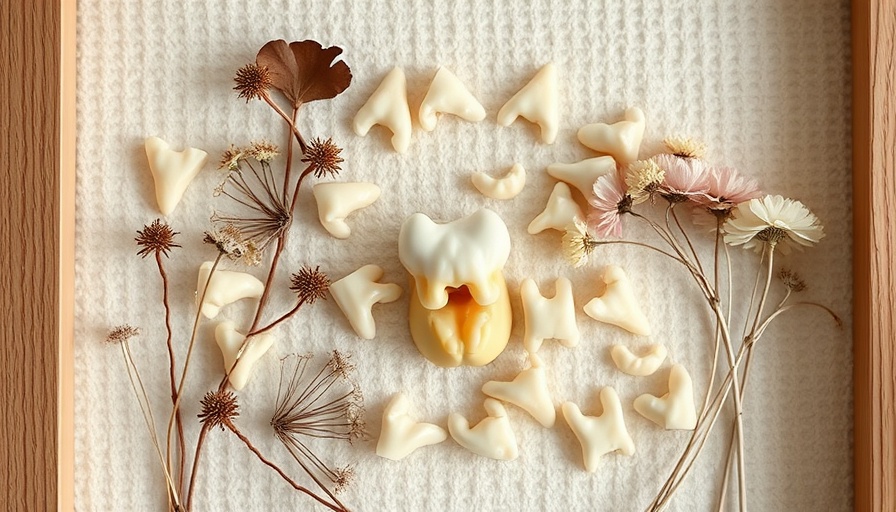
Creative baby teeth art combined with dried flowers.

Unpacking the Art of Baby Teeth: A Unique Trend

In recent times, a whimsical trend has emerged that takes us back to childhood innocence—the art of preserving baby teeth. This practice has become not only a rite of passage for parents but also a creative outlet that highlights the value we place on our childhood memories. Many are transforming the seemingly mundane task of storing their child's lost teeth into artistic expressions, prompting us to explore the motivations and implications behind this unique trend.

In 'baby teeth art #shorts', the phenomenon of creatively preserving baby teeth sparks a deeper analysis of its meaning and cultural relevance.

Why Preserve Baby Teeth?

Parents around the globe are finding themselves in a sentimental quandary. As children lose their baby teeth, a vital stage of growth occurs, marking the transition from infancy to adulthood. Some parents choose to keep these teeth as keepsakes, embedding them into art pieces that evoke nostalgia. The artful handling of baby teeth is not just a way to cherish memories; it also reflects deeper emotional ties to childhood, the growth of children, and the poignant realities of time passing.

The Creative Process: Making Art from Baby Teeth

The process of creating art from baby teeth varies widely. Some parents might opt for a simple display—incorporating teeth into shadow boxes adorned with photographs and milestones, while others engage in more intricate designs, like embedding teeth within sculptures or jewelry. This creative aspect leads to a re-examination of what once seemed grim into something beautiful and meaningful. As artists experiment, it fosters an appreciation for parts of life that might otherwise be overlooked.

The Intersection of Art and Sentimentality

This trend taps into profound psychological themes. Art has always served as a medium for expression, enabling individuals to heal and reflect. Connecting art to personal milestones enhances its significance. Parents involved in this creative process report feelings of joy and connection, often using the teeth as representations of their child's growth and milestones. The act of crafting art from such a personal experience not only helps retain memories but also creates a tangible representation of love and care.

What This Trend Means for Parenting Culture

In an era where emotional intelligence and well-being are heralded as key components of effective parenting, the cultivation of this art demonstrates an evolving parenting culture that embraces creativity and mindfulness. The smile we see on a child’s face after losing a tooth, coupled with the treasured memories reflected in these art pieces, indicates a parental bond that celebrates both the joys and challenges of growing up. This approach may inspire other parents to document their children’s growth in more imaginative ways.

A Forward-Looking Perspective

As we gaze into the future of parenting and creative expression, it raises the question: what other relics of childhood could be transformed into art? Locks of hair, first shoes, or even drawings can be materials for cherished keepsakes. With the rise of social media and platforms encouraging unique expressions, it is likely that we'll continue to see inventive uses of sentimental items, reshaping how we perceive nostalgia and memory.

Conclusion: The trend of baby teeth art showcases a beautiful intersection of childhood milestones and creativity. As parents across the globe embrace this trend, they celebrate memories in a manner that speaks volumes about love, connection, and the passage of time.

Although preserving baby teeth in art form may appear quirky to some, it undeniably brings deeper meanings to the experience of growing up, encouraging others to preserve their precious memories uniquely and artistically. Seize the opportunity to turn your child’s milestones into art that will live on for generations to come, and embrace creativity as your companion in the parenting journey!

Your Smile News

17 Views

0 Comments

Write A Comment

*
*
Related Posts All Posts
01.09.2026

De-Influencing Viral Dental Products: What's Really Effective?

Update Reevaluating Viral Dental Products: What Works? In today’s social media-centric world, trendy dental products often dominate the conversation, creating a frenzy around items that promise dazzling smiles or innovative oral care. However, not all these proverbial 'miracle cures' are as effective or even safe as advertised. Whitney, a registered dental hygienist, offers a much-needed critique of viral dental products, urging consumers to reconsider what they put in their mouths based on scientific evidence.In 'I’m De-Influencing You From Viral Dental Products,' the discussion dives into trending dental products, exploring key insights that sparked deeper analysis on our end. Understanding the Myths Behind Viral Trends Whitney’s de-influencing effort addresses products like charcoal toothpaste and hard-bristled toothbrushes that have gained significant popularity. Charcoal toothpaste claims to whiten teeth, but it may actually erode enamel and lead to sensitivity, making the perceived benefits questionable. Similarly, hard-bristled toothbrushes can cause gum damage and wear down protective enamel. The enthusiasm for these products often overshadows the potential risks associated with their use. The Science of Oral Care: What’s Effective? In her analysis, Whitney emphasizes the importance of fluoride. Contrary to popular belief, fluoride is not the enemy; rather, it’s an essential component in preventing tooth decay. Removing fluoride from toothpaste could leave individuals vulnerable to cavities. Instead, she suggests looking for dental products that contain evidence-based ingredients proven to enhance oral health, such as nano-hydroxyapatite for enamel remineralization. A Closer Look at Common Products Some products mentioned in her video deserve deeper exploration. For instance, purple toothpaste and whitening products without peroxide are often marketed as 'gentler' alternatives. Yet, many lack the efficacy of traditional whitening options. The reality is that effective whitening treatments should involve proven ingredients that can safely brighten teeth without compromising oral health. Rethinking Natural Products and Mouthguards It's also crucial to discuss natural toothpaste options touted as 'safer' because they omit fluoride. While these products might seem appealing, they often fail to provide adequate protection against decay. Furthermore, using sports mouthguards as night guards can also lead to discomfort and oral health issues. It’s advisable to invest in specifically designed night guards that fit comfortably and support dental health. Why This Matters to You Understanding which dental products are actually beneficial not only protects your oral health but can also save you money in the long run. Many consumers fall victim to viral trends that misrepresent scientific evidence, leading to unnecessary purchases that may do more harm than good. Actionable Insights for Informed Choices When it comes to taking care of your teeth, making informed decisions can significantly influence your overall dental health. Here are some actionable steps: Research Products Thoroughly: Look for scientific studies and reliable dental sources before buying. Consult Professionals: Regular dental visits can provide insights tailored to your specific needs. Focus on Evidence-based Solutions: Select products like those containing fluoride or nano-hydroxyapatite for effective results. In conclusion, Whitney's video, "I’m De-Influencing You From Viral Dental Products," shines light on the importance of discerning between marketing hype and actual dental care science. As emerging consumers, it’s vital to question viral claims and seek advice rooted in solid dental knowledge.

01.08.2026

Exploring the Impact of Whitening Strips on Teeth: Are They Safe and Effective?

Update The Quest for a Whiter Smile: The Role of Whitening Strips Whitening strips have flooded the dental market as a popular solution for those yearning for a brighter smile. These products, usually made from flexible plastic, are coated with a whitening gel that contains peroxide, which helps to lift stains and whiten teeth effectively. Their appeal lies in convenience; they can be used at home without the need for professional supervision, making them an attractive option for many. However, the effectiveness and safety of these products can vary. Understanding their application and potential impacts on dental health is essential.In 'whitening strips on teeth at the dentist #shorts', the discussion dives into the role of whitening strips in cosmetic dentistry, exploring key insights that sparked deeper analysis on our end. Health Risks and Considerations When using whitening strips, consumers should be aware of possible health risks. Overuse or misuse can lead to tooth sensitivity, gum irritation, and enamel erosion. It’s crucial to follow the instructions provided with each product for safe and effective use. Individuals with preexisting dental issues, such as cavities or gum disease, should consult a dentist before starting any whitening regimen, as these conditions can exacerbate the risks involved. Professional Whitening vs. At-Home Solutions While at-home whitening strips offer a degree of convenience, professional whitening treatments performed at the dentist can provide superior results. Dentists use stronger agents and custom-fit trays for a more effective application. Moreover, the professional setting allows for a personalized assessment of a patient’s dental health, ensuring the safest approach to achieving whiter teeth. The Science Behind Whitening Understanding how whitening strips work can demystify their effectiveness. The key ingredients, such as hydrogen peroxide and carbamide peroxide, actively break down stains on the enamel of the teeth. This process not only whitens but can also lead to a more polished appearance of the teeth. Regular use will materially affect the shade of your teeth, enhancing your smile's brightness over time. Consumer Trends: The Whitening Strip Boom The popularity of whitening strips marks a significant shift in consumer behavior regarding personal care. With the rise of social media, individuals are increasingly showcasing their smiles, driving the demand for effective cosmetic products. This trend has prompted brands to innovate, producing a range of formulas catering to specific requirements, such as sensitivity or prolonged effects. In essence, consumers are not just looking for a functional product but are also seeking an experience that supports their lifestyle choices. Expert Opinions on Teeth Whitening Dental professionals have mixed feelings about over-the-counter whitening products like strips. Professor Jane Doe, a dentist and researcher, concludes, “In general, whitening strips can benefit those with mild stain cases, but they should be used sparingly and within the guidelines provided. Always consult with a dentist regarding whiteners.” This highlights the balance between desire for aesthetics and the importance of maintaining dental health. In conclusion, while whitening strips offer a convenient option for brighter teeth, it is important to use them responsibly and refrain from overuse to avoid damaging your teeth. For those seeking immediate and noticeable results, professional treatments may still hold the key to achieving the best smile possible.

01.07.2026

Unlock Healthier Teeth: Morning Dental Routine Tips from Hygienists

Update Mastering Your Morning Routine: Secrets from a Dental Hygienist When it comes to dental care, most of us have a routine that we follow religiously every day. But what if you could learn a few expert tips from a dental hygienist? In this article, we’ll explore the essential steps of a morning oral hygiene routine, shedding light on the practices that can help ensure a healthier smile.In the video Dental Hygienist's Morning Dental Routine, the discussion dives into effective strategies for oral hygiene, exploring key insights that sparked deeper analysis on our end. Understanding the Importance of Timing in Dental Care One of the first points worth noting is the timing of brushing your teeth. Many individuals debate whether to brush before or after breakfast. According to dental hygienists, brushing before breakfast can remove morning plaque buildup and allow you to enjoy your meal without the residue of leftover dental products. This practice can effectively shield your enamel from acidic foods, resulting in better dental health. On the other hand, brushing after breakfast has its own benefits, especially if you consume sugary or acidic foods. The key here is to wait at least 30 minutes after eating before brushing, giving your saliva enough time to neutralize acids. The Role of Flossing: More Than Just a Formality Flossing is often overlooked by many, but it plays a crucial role in maintaining gum health. The hygienist in the video emphasizes using floss picks or proxabrushes as essential tools in your hygiene routine. Cleaning between your teeth removes food particles and plaque that your toothbrush might miss, reducing the risk of decay and gingivitis. In fact, studies suggest that regular flossing can significantly lower your chances of developing gum disease. Fresh Breath Starts with Tongue Cleaning You may be aware that brushing and flossing are vital for fresh breath, but did you know that your tongue deserves some attention, too? Tongue scraping is a technique that removes bacteria and food particles that can linger on the surface of your tongue. According to dental professionals, neglecting your tongue can lead to halitosis, or bad breath. A simple addition of tongue scraping in your morning routine is all it takes to start your day with confidence. Choosing the Right Mouthwash While some might be tempted to incorporate mouthwash into their routine, it's important to choose wisely. Alcohol-free mouthwash can be a great option that helps in killing bacteria without drying out your mouth. This is particularly useful in the morning, as a hydrating mouthwash can leave you feeling fresh and ready to tackle the day. Create a Sustainable Hygiene Routine Adopting a routine that incorporates these essential practices is not just about your dental health; it’s about building sustainable habits. Individuals should find a routine that they can easily adhere to, whether that means setting aside a few extra minutes in the morning or investing in handy tools like electric toothbrushes or innovative flossing solutions. The goal is to foster a lifestyle that prioritizes oral health without overshadowing other important aspects of your morning routine. Final Thoughts and Takeaways In exploring the valuable insights shared in the video Dental Hygienist's Morning Dental Routine, we learned that a well-rounded morning hygiene routine is key to maintaining a healthy smile. By fine-tuning the timing of your brushing, incorporating effective flossing techniques, and prioritizing tongue care, you can start your day with confidence and a fresher breath. Remember, cultivating these habits will not only benefit your oral health but will also save you from potential dental issues down the road. Embrace these practices to uplift your morning routine and your overall well-being.

Terms of Service

Privacy Policy

Core Modal Title

Sorry, no results found

You Might Find These Articles Interesting

T
Please Check Your Email
We Will Be Following Up Shortly
*
*
*