
Add Row
Add Element
cropper
update
Healthy Lifestyle
update
Add Element
  • Home
  • Categories
    • health
    • wellness
    • lifestyle
    • local news
    • travel
    • national news
    • Beauty
    • Featured
    • Your Body News
    • Your Smile News
    • Pet Care
    • Eyecare News
  • On Deck
July 03.2025
3 Minutes Read

Innovative Jawbone Organoids from iPS Cells Could Transform Bone Disease Treatment

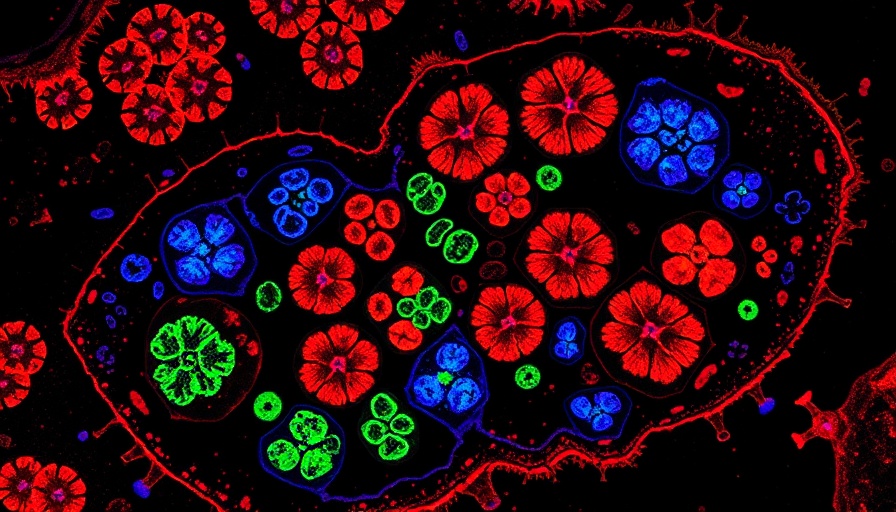
Fluorescent jawbone organoids from patient iPS cells, microscopic view.

Revolutionizing Bone Therapy Through Jawbone Organoids

In a groundbreaking study led by Associate Professor Makoto Ikeya at Kyoto University, researchers have successfully developed jawbone-like organoids from induced pluripotent stem (iPS) cells. Published in Nature Biomedical Engineering, this research not only marks a significant advancement in biomedical engineering but also opens new avenues for understanding and treating various jawbone diseases.

The Challenge of Jawbone Health

The jawbone is the largest biomineralized organ in the human mouth and plays a crucial role in oral health and function. Unfortunately, jawbones are vulnerable to a multitude of factors that can lead to severe conditions, including genetic defects, infections, and physical trauma. Despite its importance, there has been a lack of effective models to study jawbone development and associated pathologies, which has hindered the advancement of therapeutic interventions.

Advancements in Organoid Technology

Ikeya and his team have laid down a solid foundation for a three-dimensional (3D) model of jawbone using iPS cells. Previously, they had developed a method to grow cranial neural crest cells (NCCs) in two-dimensional cultures. With their latest innovations, these NCCs were transformed into 3D jawbone organoids, enabling the exploration of complex tissue interactions that occur during jawbone development.

How Is This Research Conducted?

The research was meticulously designed. The team began with several iPS cell lines, including those derived from patients with osteogenesis imperfecta, a hereditary condition often referred to as brittle bone disease. By manipulating various cell signaling pathways, they could effectively coax these iPS cells into developing into specific jawbone tissues.

This involved stimulating NCCs into a precursor type known as mandibular prominence ectomesenchyme (mdEM). The researchers achieved this by combining specific molecular signals that mirror embryonic development, eventually yielding organoids that closely resemble the jawbone.

Modelling Bone Growth and Repair

Once these organoids were created, they were grown in conditions conducive to bone development, resulting in mineralized tissue structures that exhibit all the key traits of true bone. What’s remarkable here is the ability to transplant these organoids into immunocompromised mice, where they not only developed but integrated with the surrounding biological systems to form mature, vascularized bone tissues.

Potential Implications for Dental and Health Communities

The implications of this research stretch far and wide. With a robust model in place, researchers can explore the underlying mechanisms of jawbone diseases and work towards novel therapeutic approaches. This could transform the landscape of treatments for jawbone-related issues, making what once seemed impossible, quite feasible.

Future Directions and Outlook

The ongoing research is expected to delve deeper into the pathway of bone regeneration, evaluate the efficacy of these organoids in various disease models, and explore their application in regenerative medicine. The advancements in iPS cell technology also hint at promising prospects for overcoming traditional barriers in bone healing, which could foster innovations in both dental and orthopedic practices.

As we stand on the brink of this new frontier in biotechnology, the journey of understanding and treating complex disorders related to the jawbone becomes more tangible. This foundational research may very well pave the path towards a future where jawbone diseases are managed more effectively, improving the quality of life for countless individuals.

The importance of this study cannot be overstated, as it exemplifies the convergence of developmental biology, regenerative medicine, and innovative technology toward solving pressing health concerns.

Your Body News

3 Views

0 Comments

Write A Comment

*
*
Related Posts All Posts
01.09.2026

Why Understanding the Sources and Forms of Vitamin B12 Is Crucial

Update The Vital Role of Vitamin B12 in Our Health Vitamin B12, also known as cobalamin, is essential for numerous bodily functions. This crucial vitamin aids in the production of red blood cells, the synthesis of DNA, and the maintenance of the nervous system. Deficiency in Vitamin B12 can lead to serious health issues, including anemia, neurological disorders, and cognitive decline. Understanding the importance of this nutrient is the first step toward ensuring adequate intake and averting potential health problems. Where Can We Find Vitamin B12? Vitamin B12 is predominantly found in animal-based foods. Sources include meat, fish, eggs, and dairy products, which are rich in this vitamin. For those on a vegan diet, obtaining enough Vitamin B12 can be challenging. It is advisable for vegans to consume fortified foods, like certain cereals and plant-based milk, or to take supplements. A growing body of research emphasizes the importance of monitoring B12 levels, especially in populations at risk for deficiency. Diverse Forms of Vitamin B12 Vitamin B12 is available in several forms, including methylcobalamin, adenosylcobalamin, hydroxocobalamin, and cyanocobalamin. Each form serves distinct physiological functions. Methylcobalamin, for instance, is crucial for neurological health and is often favored for its bioavailability, while cyanocobalamin is frequently used in supplements due to its stability. Understanding these various forms is key to choosing the right supplementation and dietary approaches. Historical Context of Vitamin B12 Research The historical discovery of Vitamin B12 traces back to the early 20th century, when scientists linked its lack to pernicious anemia. This pivotal finding led to the understanding of its significance and spurred further research into its health benefits and sources. As technology evolved, the identification of B12 in diverse food sources and the development of synthetic forms enabled better accessibility and supplementation options. Addressing Common Misconceptions about Vitamin B12 Many misconceptions about Vitamin B12 persist in public discourse. A common myth is that only meat-eaters can receive adequate B12, overlooking the fortified options available for those with dietary restrictions. Furthermore, there's a misunderstanding regarding the frequency of required B12 intake; while B12 can be stored in the liver, its absorption may decline with age, necessitating regular monitoring, especially for older adults. Future Trends in Vitamin B12 Research and Supplementation As research continues to unravel the complexities of Vitamin B12 metabolism and absorption, future trends are pointing towards personalized nutrition. Advances in biotechnology may lead to improved supplementation strategies tailored to individual needs based on genetic and metabolic profiles. Furthermore, the ongoing examination of the interplay between Vitamin B12 and other vitamins and minerals may enhance our understanding of how to optimize dietary recommendations. Through deeper engagement with this topic, individuals can empower themselves with knowledge about Vitamin B12 and make informed dietary choices that enhance their overall health. As we probe further into the science of nutrition, our strategies for ensuring optimal Vitamin B12 levels can only become more refined and effective.

01.06.2026

Unlock Wellness: Why Elevating Your Legs on a Wall Works Wonders

Update The Transformative Power of Inversion: What You Need to Know In today's fast-paced world, it's easy to feel overwhelmed and disconnected from our bodies. Many of us spend long hours sitting at desks, contributing to a myriad of health issues such as back pain, stress, and poor circulation. One simple yet powerful practice that has been gaining attention is elevating your legs against a wall. This pose, often seen in yoga and wellness circles, is not just about relaxation; it offers a range of physical benefits that can enhance overall well-being.The video Put Your Legs Up on a Wall — Your Body Will Thank You explores this practice's physical benefits, prompting us to delve deeper into its positive impacts on health. Understanding the Benefits: Why You Should Try It Putting your legs up on a wall does much more than it appears. This technique helps reduce swelling, improves circulation, and alleviates tension in the spine. For those who experience leg discomfort or fatigue from standing all day, this position can provide quick relief, promoting better blood flow and relaxation. Additionally, it can benefit those suffering from anxiety or insomnia, as the inverted posture encourages a calming effect, helping to clear the mind and reduce stress levels. Incorporating the Pose into Your Routine To best experience the benefits of this simple pose, it's essential to practice it regularly. Take a few moments each day to elevate your legs—either in your bedroom, living room, or even in your office during a break. Lay down on the floor, positioning your body so that your legs are straight up against a wall. This easy practice can be done at any time—perhaps after a long day at work or as part of your evening wind-down routine. The more you make it a habit, the easier it becomes to integrate into your daily life, facilitating better relaxation and focus. Beyond Relaxation: A Cultural Perspective This practice isn't just a fleeting trend; it has roots in various cultural traditions that recognize the reciprocal connection between body and mind. In yoga and tai chi, for example, inversion poses are often encouraged to enhance vitality and mental clarity. Understanding the cultural significance of these practices can make the experience richer, helping individuals to appreciate the historical context while engaging with it personally. Common Misconceptions: Debunking the Myths Some people may believe that leg elevation is only beneficial for those who are extremely flexible or have specific health conditions. However, this practice is accessible for individuals of all fitness levels and sizes. It's a gentle way to release built-up tension and promote circulation without high-impact movements or advanced flexibility required. Remember, listening to your body and making adjustments to find what feels best for you is key to enjoying the benefits of this pose. Encouraging Mindfulness: Making Health a Priority Putting your legs up on a wall also serves as a reminder to prioritize self-care within our busy lives. Our daily routines often push aside personal wellness for tasks that demand our immediate attention. Yet, by dedicating even a few minutes to ourselves, we contribute to our long-term health and happiness. Mindfulness practices like this—no matter how small—can lead to healthier lifestyle choices and improve our overall quality of life. If you're looking for tangible ways to boost your well-being, integrating simple methods like this can pave the way for meaningful changes. It's not just about physical health—it's about nurturing our minds and spirits too. In conclusion, as seen in the video Put Your Legs Up on a Wall — Your Body Will Thank You, the act of elevating your legs on a wall is a small, yet powerful, adjustment anyone can make to support their health. From improving circulation to promoting mental tranquility, this practice encapsulates a comprehensive approach to wellness. So go ahead, find a wall, and indulge in this refreshing, restorative experience that your body will truly appreciate!

01.05.2026

How Breast Cancer Hijacks Immune System Signals for Growth

Update Breast Cancer and the Immune Response: A Troubling HijackRecent research has shed light on a disconcerting mechanism where breast cancer cells exploit the body's immune system—a defense mechanism turned into a source of cancer-fueling inflammation. This revelation underlines a complex battle, not just between cancer cells and our defenses, but within the very mechanisms designed to protect us.The Immune System’s Dual RoleThe immune system is famously known for its role in identifying and eradicating threats, including cancer cells. However, as our understanding of breast cancer evolves, so does the recognition that this same immune system can also contribute to tumor progression. Studies suggest that inflammatory responses, meant to neutralize harmful entities, can inadvertently foster a supportive environment for cancer growth. This duality highlights a challenging paradox: the immune system whose purpose is to protect can also enhance the aggressiveness of breast cancer.Understanding Inflammation: Friend or Foe?As cancer progresses, a state of chronic inflammation often develops. In the context of breast cancer, inflammation has been shown to stimulate more aggressive tumor phenotypes. The tumor microenvironment becomes a sanctuary for cancer cells, suppressing the very immune responses that could eliminate them. Research from the National Institutes of Health details how estrogen receptor-positive (ERα) breast cancers can utilize inflammatory mechanisms to evade immune detection, cementing their growth and spreading capabilities.The Role of Immunotherapy in Reversing TumorsDespite the ominous challenges presented by this hijacking of the immune system, innovations in immunotherapy provide glimmers of hope. Recent trials, like the one conducted at Moffitt Cancer Center, categorize tumors based on their immune profiles: hot versus cold. Hot tumors are associated with a rich immune response and have shown promising results when treated with immunotherapy. In contrast, cold tumors—historically how breast cancers were classified—pose significant barriers to treatment. The ongoing work to convert cold tumors into hot ones by enhancing immune responses could revolutionize treatment protocols, offering new avenues for managing metastatic cases.The Key Players: Immune Cells Under SiegeCytotoxic T cells and natural killer (NK) cells represent two crucial components of the immune response against tumors. They are meant to seek out and destroy those malignant cells. However, breast cancer cells exhibit mechanisms to downregulate the expression of key proteins, effectively rendering these immune cells ineffective. This response not only aids in tumor evasion but also has implications for how we understand treatment resistance, especially in patients who are resistant to hormonal therapies.Anticipating the Future of Breast Cancer TreatmentLooking ahead, the intersection of immunology and oncology is poised for significant evolution. Ongoing research aims to deepen our understanding of how tumors manipulate immune response and how we can leverage that knowledge to develop more effective therapies. Future initiatives will likely focus on a combination of immunotherapy approaches tailored to individual tumor profiles to restore balance in the immune system's response, steering it back toward its protective role against cancer.Conclusion: The Importance of AwarenessAs breast cancer treatment advances, it remains critical for patients and healthcare professionals alike to remain informed about how immune responses function against this disease. Understanding the complexities of immune interactions can lead to better therapeutic strategies that do not just target cancer cells directly but also manipulate the immune landscape in favor of patient health. Awareness of the immune system's roles can empower patients to engage more actively in their treatment choices.

Terms of Service

Privacy Policy

Core Modal Title

Sorry, no results found

You Might Find These Articles Interesting

T
Please Check Your Email
We Will Be Following Up Shortly
*
*
*