
Add Row
Add Element
cropper
update
Healthy Lifestyle
update
Add Element
  • Home
  • Categories
    • health
    • wellness
    • lifestyle
    • local news
    • travel
    • national news
    • Beauty
    • Featured
    • Your Body News
    • Your Smile News
    • Pet Care
    • Eyecare News
  • On Deck
April 27.2025
3 Minutes Read

Israeli Jets Launch Third Strike on Beirut: Implications for Regional Stability

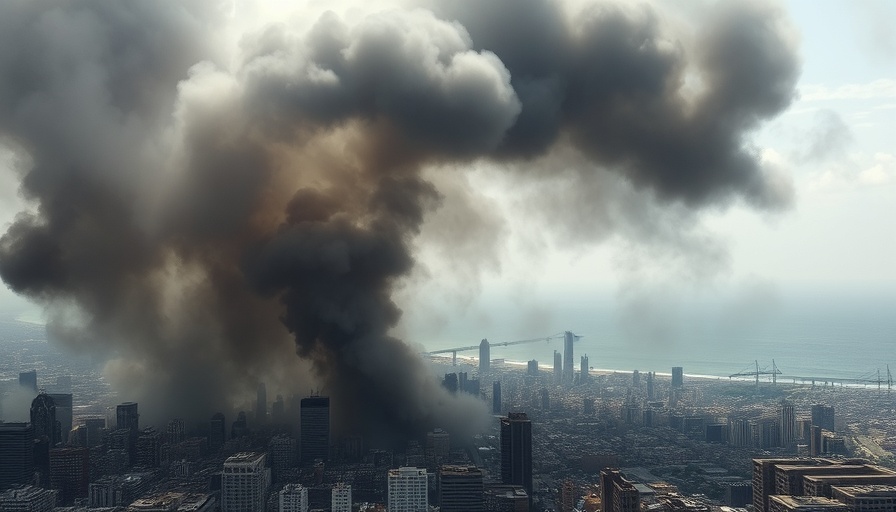
Aerial view of smoke rising over Beirut during Israeli airstrikes aftermath.

The Unfolding Conflict: Israeli Strikes in Beirut's Suburbs

In a concerning escalation of tensions, Israeli jets struck the southern suburbs of Beirut on Sunday, marking the third airstrike in the region since a ceasefire was established in late November. This attack adds to the ongoing unease surrounding Israel's military activities aimed at the militant group Hezbollah, which has a significant foothold in the area.

Targets and Tactics: A Close Look at the Airstrike

The purpose of the recent airstrike, according to the Israeli military, was to target a facility linked to Hezbollah for storing precision-guided missiles. This claim underscores Israel's persistent concern over Hezbollah's military capabilities, which they view as a direct threat. Prior to the strike, Israel issued warnings to residents to evacuate the area, indicating a strategy aimed at minimizing civilian casualties amid its military operations.

Responses from Beirut: Fear and Condemnation

The implications of these strikes have prompted swift condemnation from Lebanese officials. President Joseph Aoun has vocally criticized the violation of the ceasefire, calling upon the United States and France, which are seen as guarantors of the peace agreement, to intervene and prevent further actions that could destabilize the region. Aoun stated, "Israel’s continued actions undermine stability and risk exposing the region to serious security threats," emphasizing the urgency for international oversight.

International Reactions: Appeals for Restraint

International voices have echoed these concerns. Jeanine Hennis, the U.N. Special Coordinator for Lebanon, noted that the latest airstrike has generated panic among residents and could trigger renewed violence. Her statement serves as a reminder of the delicate balance in the region and the potential consequences of continued military actions. She urged all parties to exercise restraint and adhere to agreements designed to foster stability and peace.

A Historical Perspective: Lebanon's Struggles with Military Conflict

This recent strike is a stark reminder of Lebanon's troubled history, where conflicts have become normalized. Previous confrontations with Israel during the 2006 war left deep scars in Lebanese society, affecting the perceptions of security and peace. The area that was targeted in the recent airstrike has historically been a stronghold for Hezbollah, which is not only a military group but also plays a significant role in Lebanese politics.

Looking Forward: What Lies Ahead for Beirut?

As tensions flare, the future remains uncertain. Will these strikes lead to broader military engagement, or will international actors succeed in stabilizing the situation? Both Lebanon's stability and the safety of civilians in the region hang in the balance. As residents of Beirut watched the plumes of smoke rise, fear of a return to hostilities was palpable, signaling just how fragile the current ceasefire is.

In conclusion, the events unfolding in Beirut's southern suburbs highlight urgent calls for dialogue and restraint from all involved parties. With historical precedents of violence lingering, the need for proactive diplomatic engagement has never been more pressing. Awareness of these dynamics can provoke thoughtful discussions about the role of international diplomacy in conflict resolution.

national news

1 Views

0 Comments

Write A Comment

*
*
Related Posts All Posts
01.07.2026

JB Chemicals Invests Rs 18 Crore in Dubai Pharma: What It Means for Growth

Update Investment Overview: JB Chemicals' Strategic Move in Dubai J. B. Chemicals & Pharmaceuticals Ltd. is setting the stage for significant growth with its recent decision to invest up to Rs 18 crore in its subsidiary, Unique Pharmaceutical Laboratories FZE (UPL FZE) based in Dubai. The investment, approved by the Board of Directors on January 7, 2026, is aimed at meeting the operational requirements of the Dubai arm, which has recorded modest revenues since its inception in 2013. The Rationale Behind the Investment The capital infusion will be utilized entirely to enhance UPL FZE's operational capabilities. The company clarifies that this process will be conducted on an arm's length basis, a critical aspect that ensures compliance with regulations regarding related parties. UPL FZE, having faced revenue challenges in previous fiscal years, generated AED 627,639 in FY 2024-25, marking its first substantial revenue since its establishment. The Implications for JB Chemicals and its Stakeholders Holding 100% of Unique Pharmaceutical Laboratories FZE means that JB Chemicals retains full control over decision-making and strategic direction in the Middle Eastern market. Analysts see this investment not just as a financial commitment but as a robust strategy to leverage potential growth in pharmaceuticals trading across the region. As the UAE continues to position itself as a burgeoning hub for pharmaceutical innovations and exports, this move may enhance JB Chemicals’ market positioning. Unique Pharmaceutical Laboratories FZE: A Brief History Incorporated in Dubai under the Jebel Ali Free Zone regulations, UPL FZE functions within an advantageous regulatory framework that supports business growth. However, despite the favorable location, UPL FZE struggled to generate revenue until recently, underscoring the challenges pharmaceutical companies face in highly competitive markets. The firm's trajectory will be closely watched, particularly after this investment aimed at boosting performance. Future Opportunities in the Middle East Pharmaceutical Market The global pharmaceutical market is witnessing a dramatic shift, with the Middle East becoming increasingly relevant due to a combination of favorable regulations and rising healthcare needs. JB Chemicals’ strategic investment may allow the company to tap into diverse revenue streams, thus enhancing its growth potential. As healthcare demands evolve within the region, drugmakers are expected to innovate rapidly to meet these needs. Broader Industry Context: Challenges and Growth Drivers While JB Chemicals is making strides with its investment, the pharmaceutical industry globally faces a range of challenges—from regulatory hurdles to increased competition and the rise of generic drugs. However, growth drivers also abound, including advancements in biotechnology, rising healthcare expenditure, and expanded market access. The ability of JB Chemicals to navigate these challenges while capitalizing on potential growth drivers will be critical for its future success. Conclusion: A Strategic Move for Future Growth The investment made by JB Chemicals into Unique Pharmaceutical Laboratories FZE demonstrates a forward-thinking approach aimed at capitalizing on emerging market opportunities. With a commitment to driving operational efficiencies, the company is well-positioned to enhance its footprint in the Middle East pharmaceutical sector. Stakeholders and investors alike should monitor these developments closely as JB Chemicals strives to strengthen its global presence.

12.27.2025

Legal Action in Codeine Cough Syrup Case: UP Court Targets Rs 30 Crore Assets

Update Significant Legal Action Against Codeine Misuse in Uttar Pradesh The ongoing battle against illegal drug trafficking has taken a significant turn in Uttar Pradesh, where a local court has issued a notice to attach assets worth Rs 30 crore owned by Bhola Prasad Jaiswal, a key figure in the codeine cough syrup case. This monumental decision has been prompted by findings from a Special Investigation Team (SIT) that uncovered extensive misuse and illegal trading of pharmaceutical products. The Case at a Glance: Unveiling the Underbelly of Drug Trafficking Documents submitted to the court revealed the dubious activities surrounding Jaiswal’s business, M/s Shaili Traders, based in Ranchi, Jharkhand. The investigation found that forged documents were routinely used to obtain essential licenses for warehouses and pharmaceutical dealings. This systemic forgery underscores the vulnerabilities within regulatory frameworks governing drug trafficking, particularly for products like codeine-laced cough syrup, which have the potential for serious misuse. The Growing Concerns of Codeine Abuse Codeine, often prescribed for its effective cough-suppressing properties, has also carved its reputation as a substance prone to abuse. The risk of addiction and misuse has led to increased scrutiny by law enforcement agencies, particularly as they combat the rising trend of codeine misuse across India. Drug enforcement agencies have linked some of this misuse to illegal networks that exploit loopholes in licensing and distribution regulations. Counterarguments: Balancing Regulation and Accessibility While stringent regulations are essential in curbing drug abuse, there are perspectives within the pharmaceutical and medical communities emphasizing the need for access to necessary medications for patients in legitimate need. Critics argue that over-regulation might lead to challenges for healthcare professionals prescribing critical medications, emphasizing the need for a balanced approach that does not impede legitimate medical use while still cracking down on illegal activities. Future Trends in Drug Regulation and Law Enforcement This case may herald a shift towards more comprehensive drug regulation. Experts anticipate that evolving legal frameworks will likely stress accountability and transparency, particularly among distributors and manufacturers. Future legislation could include stricter penalties for forgery and the illegal distribution of narcotics, thereby aiming to reduce the prevalence of such cases considerably. Community Impact and Responsibility The ramifications of illegal drug trafficking extend beyond the courtroom, affecting communities and healthcare systems at large. Local governments may find themselves challenged in addressing the dual crises of drug abuse and ensuring access to healthcare. As community awareness grows, initiatives might evolve to educate the public about the consequences of drug misuse and empower them to advocate for health-centered policies. Take Action: Advocating for Change As the implications of this case unfold, it serves as a critical reminder for communities to remain vigilant and proactive in addressing drug misuse. Engaging with local advocacy groups and policymakers to push for laws that protect public health is essential. Community members are encouraged to participate in discussions on drug regulation and to support educational campaigns aimed at prevention and awareness. Understanding the multifaceted nature of drug regulations and public health can foster a collective responsibility in combating the issues posed by substance abuse. It is crucial that as we move forward, both legal frameworks and community engagement adapt to create a healthier environment for all.

12.26.2025

IGMC Shimla Doctors Take Mass Leave: A Call for Reinstatement and Reform

Update The Mass Leave by IGMC Doctors: A Response to Systemic Issues In a historic move, resident doctors at Indira Gandhi Medical College (IGMC) in Shimla, Himachal Pradesh, have opted for mass leave, protesting the dismissal of senior resident Dr. Raghav Nirula following a violent altercation with a patient. This incident, which occurred on December 22, has ignited a broader discourse on the pressing security and administrative challenges faced by healthcare professionals in the region. Understanding the Incident: What Led to the Dismissal? The turmoil began when Dr. Nirula was accused of physically assaulting a patient, leading to his immediate termination by the state government as a precautionary measure. The patient, identified as Arjun, alleged that Dr. Nirula became aggressive after a disagreement regarding communication, resulting in injuries necessitating police intervention. An FIR was registered against both parties, reflecting the complexity of the situation and raising questions about blame and liability. Solidarity Among Medical Professionals: A Unified Front The Resident Doctors Association (RDA) has taken a definitive stand in support of Dr. Nirula, demanding not only his reinstatement but also comprehensive security measures at IGMC to protect both medical staff and patients. Dr. Sohil Sharma, RDA president, emphasized their commitment to exhausting all avenues for dialogue with the government before resorting to more drastic measures, such as a potential strike. The protests underscore a deep sense of collective responsibility among healthcare workers to uphold patient dignity while ensuring their professional integrity is maintained. Wider Implications: The Response of Healthcare Institutions This event has sparked broader conversations regarding workplace safety for healthcare professionals across India. The Federation of Resident Doctors' Associations (FORDA) has publicly supported the demands of IGMC's doctors, reinforcing calls for institutional reforms that ensure a safer working environment, particularly in the wake of similar incidents that have occurred at various healthcare facilities throughout the country. Medical professionals argue that improving security mechanisms would not only aid in preventing such altercations but would also enhance the overall patient experience. Future Directions: What Happens Next? Chief Minister Sukhvinder Singh Sukhu’s involvement has brought a glimmer of hope, with assurances of a fresh inquiry into the circumstances surrounding the scuffle. For the RDA, the proposed dialogue with the Chief Minister is crucial, as it could lead to a long-term solution addressing the crucial security issues faced by doctors. Community Reaction: Voices from the Local Population The community’s response has been mixed, with some expressing solidarity with the protesting doctors while others are concerned about the potential disruption of medical services. The temporary closure of outpatient services and elective surgeries during the protests raised fears among patients and their families, highlighting the delicate balance between advocating for healthcare workers' rights and ensuring patient care remains uninterrupted. Long-Term Implications for Public Health Policy This incident, while deeply concerning, could act as a catalyst for necessary policy changes in healthcare management and regulation in Himachal Pradesh and beyond. By addressing the underlying issues, including hospital security and conflict resolution training for staff, health authorities can foster an environment where both doctors and patients feel safe and respected. Conclusion: Moving Towards Collaborative Solutions The situation at IGMC Shimla exemplifies the complex interplay between patient care, professional conduct, and institutional accountability within the healthcare sector. As this saga unfolds, it is imperative for all stakeholders—doctors, politicians, and the community—to work collaboratively toward a solution that prioritizes safety for all involved. Given the current landscape, it’s vital to remain informed and engaged with ongoing developments within the healthcare system, advocating for both patient welfare and medical staff security.

Terms of Service

Privacy Policy

Core Modal Title

Sorry, no results found

You Might Find These Articles Interesting

T
Please Check Your Email
We Will Be Following Up Shortly
*
*
*