
Add Row
Add Element
cropper
update
Healthy Lifestyle
update
Add Element
  • Home
  • Categories
    • health
    • wellness
    • lifestyle
    • local news
    • travel
    • national news
    • Beauty
    • Featured
    • Your Body News
    • Your Smile News
    • Pet Care
    • Eyecare News
  • On Deck
August 09.2025
3 Minutes Read

The Essential Pool Safety Test Every Dog Owner Needs to Know

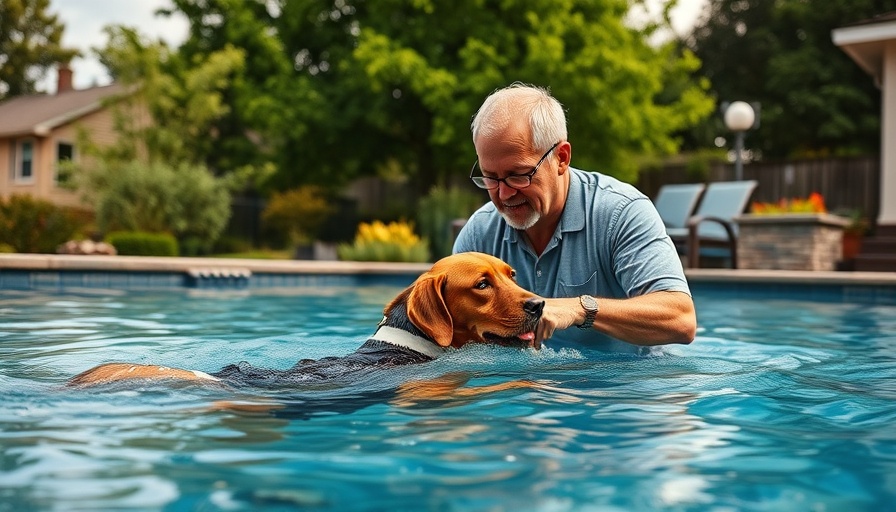
Man and dog performing pool test for dogs in a backyard pool.

The Life-Saving Pool Test for Your Dogs

In a recent video titled This Pool Test That Could Save Your Dog’s Life!, the intricate relationship between pool chemicals and your dog’s health takes center stage. Many pet owners may not realize that pools, often a source of summertime fun, can pose serious health risks to our furry friends. Knowing how to test for harmful substances can mean the difference between a fun-filled day and a trip to the vet.

In This Pool Test That Could Save Your Dog’s Life!, the discussion dives into crucial safety protocols for dogs around swimming pools, exploring key insights that sparked deeper analysis on our end.

Understanding Pool Chemicals and Their Risks

Chlorine, pH balance, and other chemicals are essential for keeping pools clean, but they can be hazardous if not monitored correctly. Dogs, with their curious noses and playful tendencies, are particularly vulnerable to chemical imbalances and contamination. It’s crucial to recognize symptoms of distress – like excessive drooling, lethargy, or vomiting – which could indicate that your pet has ingested harmful substances.

How the Pool Test Works

The pool test discussed in the video involves using a simple kit to check chemical levels. These kits are readily available and can give pet owners peace of mind before letting their dogs dive into the water. The test assesses chlorine and pH levels, allowing owners to make informed decisions about their pet's swimming environment. Regular testing can be a proactive and straightforward approach to pet safety, taking only a few moments of your time.

Real-Life Experiences: Cautionary Tales from Dog Owners

There are many stories from pet owners who learned the hard way about the importance of pool safety. For example, a dog named Max suffered from severe skin irritation after swimming in a poorly maintained pool. His owner, unaware of the dangers, only discovered the issue when Max began to exhibit signs of discomfort. Regular pool testing could have prevented this unfortunate incident, highlighting the need for vigilance in pet care.

Expert Insights: Veterinarians Weigh In

Many veterinarians recommend that pet owners be proactive about their dogs’ health, especially during the swimming season. Dr. Amelia Swift, a veterinarian with over a decade of experience, emphasizes the importance of monitoring pool conditions: "A safe swimming environment is key not just for enjoyment, but for guarding against potential health issues. Regular pool tests should be as routine as vet check-ups during the summer months."

Dogs vs. Cats: Common Misconceptions in Pet Care

It’s easy to think that pool safety is only relevant for dogs, but it is important to consider your feline friends too! Cats can be exposed to the same chemicals, though they may not swim like dogs. It is essential to safeguard areas around the pool and ensure that pets have access to clean, safe drinking water at all times.

Pawsitive Steps to Ensure Pet Health

So, what can you do to keep your pets safe if swimming is their favorite summer activity? Start by investing in a reliable testing kit, and familiarize yourself with safe pool maintenance habits. Engage with a veterinarian to discuss what conditions to monitor and how often. Regular communication with your vet about your pet's behavior and overall health is crucial, as they can provide tailored advice and share insights on pet controlling methods.

Conclusion: Take Action for Your Pet's Safety

As pet owners, we have the power to create safe environments for our furry companions. By incorporating simple tests and being mindful of the chemicals in our pools, we can significantly improve our pets’ health and well-being. Let’s take charge of our pet’s safety this summer—regularly test your pool, keep your eyes open for any signs of distress, and foster a fun, safe atmosphere for your beloved pets to enjoy.

Pet Care

1 Views

0 Comments

Write A Comment

*
*
Related Posts All Posts
01.09.2026

How to Stop Dog and Cat Diarrhea Fast: A Vet's Guide to Pet Health

Update Understanding Diarrhea in Dogs and Cats For pet owners, managing diarrhea in their beloved companions can be one of the most distressing challenges. When a cat or dog experiences diarrhea, it not only indicates a possible health issue but also disrupts their comfort and your daily routine. Diarrhea can stem from various causes, including dietary indiscretion, infections, and even stress, making it crucial for pet owners to be vigilant and informed.In How to stop dog and cat diarrhea fast!, essential insights into managing diarrhea in pets provide a solid foundation for pet owners looking to ensure the health and well-being of their furry friends. Why Quick Action Matters for Pet Health We know that pets can’t tell us when they’re feeling unwell. Therefore, observing any changes in their bowel habits should prompt immediate action. Prolonged diarrhea can lead to dehydration, electrolyte imbalance, and in severe cases, it can become life-threatening, particularly in kittens and puppies. Understanding the gravity of this condition and being proactive can protect your pet’s health. Immediate Steps to Take When Your Pet Has Diarrhea If your dog or cat is experiencing diarrhea, the first course of action should involve withholding food for 12-24 hours. This rest period allows the digestive system to recover. After fasting, reintroduce food with a bland diet, such as boiled rice and boiled chicken, or a specially designed veterinary diet. Gradually transition back to their regular diet over a few days to avoid re-triggering gastrointestinal upset. Hydration is Key Alongside dietary changes, keeping your pet hydrated is essential. Always provide fresh water, and in cases of severe diarrhea, consider offering a pet-safe electrolyte solution—many veterinarians suggest specific products for pets to help restore lost electrolytes. Monitoring their water intake is crucial; if your pet isn’t drinking enough, veterinary intervention may be necessary. Signs That Involve the Vet While most cases of diarrhea can be managed at home, knowing when to consult a veterinarian is essential. If diarrhea persists for more than 24 hours, is accompanied by vomiting, lethargy, or changes in behavior, or if your pet is very young or elderly, seeking veterinary help is crucial. Early interventions can prevent more serious health problems down the line. Preventive Measures to Promote Pet Health Prevention is often better than cure. Ensure that your pets maintain a balanced diet, regular exercise routine, and minimize exposure to stressful situations. Proper training can also help prevent dietary indiscretions, such as eating inappropriate items or scavenging during walks. Regular vet visits for vaccinations and check-ups can preempt possible health issues. The Role of Veterinarians in Managing Pet Diarrhea As a veterinarian, you play a crucial role in educating pet owners about signs of gastrointestinal distress. Providing resources and information on proper pet care, nutrition, and training can lead to healthier lifestyles for pets. By equipping owners with the knowledge they need, you help prevent issues before they escalate into more serious health problems. In How to stop dog and cat diarrhea fast!, essential insights into managing diarrhea in pets provide a solid foundation for pet owners looking to ensure the health and well-being of their furry friends. As a veterinarian, the ability to educate your clients on proactive measures will not only enhance pet health but also strengthen the bond between a pet owner and their beloved companion.

01.08.2026

Avoid These Dog Training Mistakes to Solve Leash Reactivity

Update Understanding Leash Reactivity in Dogs Leash reactivity is a common challenge for dog owners, leading to stressful walks and encounters with other pets. This behavior often stems from fear, frustration, or a strong desire to chase. Understanding the underlying causes is crucial for effective training and behavioral modification.In 'Top 4 Mistakes Making Your Dog Leash Reactive!', the discussion dives into crucial training insights that sparked deeper analysis on our end. Four Common Mistakes to Avoid In the popular video, 'Top 4 Mistakes Making Your Dog Leash Reactive', several common pitfalls in dog training are highlighted. Here are the four major mistakes: Using Negative Reinforcement: Many pet owners mistakenly resort to punishment when their dog reacts poorly. This approach can increase anxiety and fear, worsening the reactiveness. Lack of Socialization: Dogs that are not exposed to a variety of environments, people, and animals can develop fear-based reactions on the leash. Socialization is key to building a well-adjusted companion. Inconsistent Commands: If commands are not used consistently in training, dogs can become confused, leading to reactive behavior when they encounter distractions. Failing to Educate Themselves: Many owners underestimate the importance of understanding canine behavior. Educating oneself about canine communication can significantly enhance training outcomes. Strategies for Managing Leash Reactivity Managing a leash-reactive dog requires patience and strategy. Here are some effective techniques pet owners can implement: Desensitization and Counter-conditioning: Gradually introducing your dog to the stimuli that trigger their reactivity, paired with positive reinforcement, can alter their emotional response over time. Positive Reinforcement Training: Rewarding positive behavior, such as walking calmly on the leash, helps to reinforce desired actions rather than focusing on punishing negative behaviors. Professional Help: Sometimes, engaging a professional dog trainer or behaviorist can provide tailored strategies and enhance the training process. Understanding Non-Verbal Cues: A Window Into Dog Behavior Dogs communicate a lot through body language, and learning to recognize their signals can significantly improve your relationship. Look for signs of stress or relaxation, as these will guide your interactions and help you avoid situations that may provoke reactivity. This understanding can also assist in interpreting interactions between your dog and other animals during walks. The Importance of Regular Exercise and Mental Stimulation A well-exercised dog is less likely to exhibit leash reactivity. Providing daily walks and mental enrichment activities—like puzzles or training exercises—can help release pent-up energy, thus reducing reactions on the leash. Engaging your pet in regular activities helps promote a calmer demeanor, making walks more enjoyable for both of you. Real-Life Success Stories: Transformation Through Training Countless pet owners have successfully turned around their dogs' leash-reactive behavior through consistent training and the right techniques. Stories of pets once deemed unwalkable have become uplifting examples of success, showcasing how dedicated efforts can yield positive results and improve the bond between dogs and their owners. Your Role as a Responsible Dog Owner As a dog owner, it's your responsibility to ensure that your pet is trained effectively and is happy and healthy. Regular vet check-ups can also rule out any health issues contributing to their behavior. Being proactive not only enhances your dog's life but also creates a safer and more enjoyable environment for everyone around. In conclusion, addressing your dog's leash reactivity involves understanding their behavior, avoiding common mistakes, and employing effective training strategies. By taking proactive steps, you can forge a stronger, more harmonious relationship with your pet. Now, consider engaging with a professional trainer to facilitate effective communication between you and your furry companion. Small improvements in training can lead to profound changes in behavior.

01.08.2026

Unlocking the Benefits of Green Propolis for Pet Health: A Guide for Veterinarians

Update The Healing Power of Green Propolis for Pet Health As pet health remains a top priority for veterinarians and pet owners alike, innovative remedies capture attention in the animal care world. Recently, interest has surged in green propolis, a natural resin produced by bees from tree buds and other botanical sources. This supplement is not just gaining popularity among humans for its health benefits but is also showing promise in the realm of pet care.In 'Infected tooth- try this new effective remedy! Green Propolis,' the discussion dives into the use of green propolis in veterinary care, exploring key insights that sparked deeper analysis on our end. What is Green Propolis? Green propolis is rich in antioxidants, flavonoids, and phenolic compounds, making it a potent natural remedy. These properties can help reduce inflammation and fight infections, crucial for keeping pets healthy. Veterinarians are exploring its uses for both cats and dogs, particularly for dental care and overall immune support. Effective Application in Pet Care Veterinarians have begun incorporating green propolis into dietary supplements and holistic treatments for pets. The non-toxic and naturally occurring nature of this substance makes it a viable option for enhancing pet health. As pet care evolves, understanding how to integrate such remedies into training and health practices can provide a more holistic approach to pet wellness. Why Incorporate Green Propolis? Choosing to use green propolis can significantly benefit animal health. Its anti-inflammatory properties potentially alleviate conditions like arthritis in aging dogs or aid in recovery from dental procedures in cats. This natural approach appeals to an increasing number of pet owners looking for gentle solutions beyond conventional medications. Training and Behavior Benefits Emotional well-being is vital for pets, influencing their behavior and trainability. By boosting overall health and reducing anxiety through natural supplements like green propolis, veterinarians can aid pet owners in establishing stronger bonds. A relaxed pet is often more responsive to training commands and behavioral modifications, promoting better trainer-pet relationships. Future Trends in Veterinary Medicine With the rise of holistic health practices and natural remedies, green propolis is likely to play a significant role in the future of veterinary medicine. Its incorporation into traditional practices may complement established treatments, empowering veterinarians to offer more comprehensive care. As research continues and more testimonials emerge, embracing green propolis may become commonplace in providing pet health and wellness. The Takeaway for Veterinarians As a veterinarian, staying informed about emerging health trends is crucial. Green propolis offers a natural, effective remedy for various pet health issues, which could enhance treatment strategies. Engaging with pet owners about such options can foster trust and empower them to take proactive steps for their pets' health. There's much to explore regarding the benefits of green propolis for pets. Share your experiences with using this remedy in your practice, and help create a more holistic future for pet healthcare.

Terms of Service

Privacy Policy

Core Modal Title

Sorry, no results found

You Might Find These Articles Interesting

T
Please Check Your Email
We Will Be Following Up Shortly
*
*
*