
Add Row
Add Element
cropper
update
Healthy Lifestyle
update
Add Element
  • Home
  • Categories
    • health
    • wellness
    • lifestyle
    • local news
    • travel
    • national news
    • Beauty
    • Featured
    • Your Body News
    • Your Smile News
    • Pet Care
    • Eyecare News
  • On Deck
April 07.2025
3 Minutes Read

Unraveling the Link Between Teen Girls' Screen Time, Sleep, and Mental Health

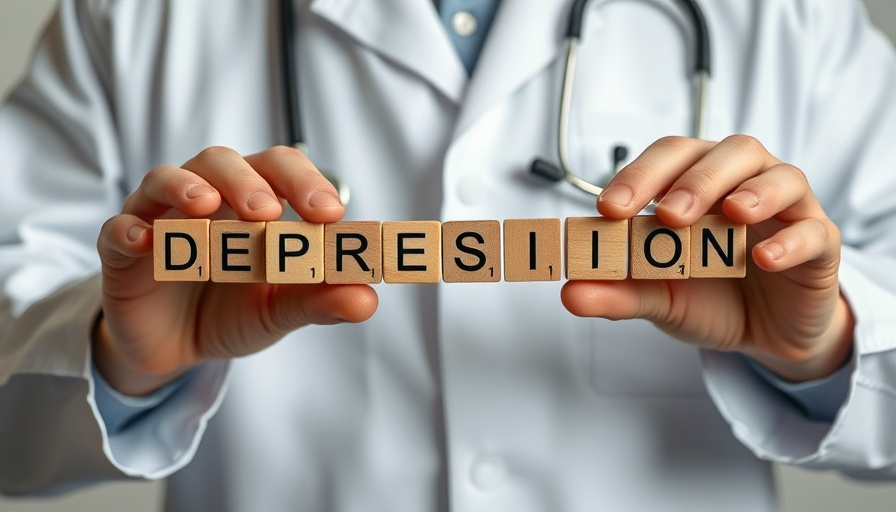
Doctor's hands arranging blocks spelling 'DEPRESSION' with stethoscope.

The Hidden Costs of Screen Time for Teen Girls

In recent years, the prevalence of digital technology among adolescents has surged, particularly with the widespread use of smartphones and tablets. A concerning trend has emerged from studies correlating excessive screen time with negative health outcomes, specifically for teenage girls. A new study has determined a significant link between increased screen time among teen girls and a rise in sleep disruptions and depressive symptoms. This finding calls for immediate attention from parents, educators, and mental health professionals alike.

Exploring the Study's Findings

The study highlighted that as screen time climbed beyond recommended limits, instances of sleep disturbances increased markedly. Teen girls who reported more than two hours of screen exposure daily were 1.5 times more likely to experience poor sleep compared to their peers with lower screen usage. Poor sleep has been documented to exacerbate mental health issues, leading to feelings of anxiety and depression, as corroborated by findings from the American Academy of Pediatrics.

The Impact of Sleep on Mental Health

Sleep is essential for maintaining physical and mental well-being. A lack of quality sleep can lead to a cascade of health issues, including impaired cognitive function and heightened emotional distress. For adolescent girls, who are navigating the complexities of their formative years, the stakes are even higher. Poor sleep quality can affect academic performance, social interactions, and self-esteem, creating a detrimental cycle of mental health struggles.

Societal Implications of Excessive Screen Use

The increase in screen time is not purely a personal issue; it reflects broader societal changes in how we communicate and entertain ourselves. Social media platforms often serve as both a sanctuary and a source of pressure for young girls. While they provide a way to connect with peers, they can also introduce unrealistic beauty standards and social comparisons, thereby affecting mental health outcomes.

Future Trends: Navigating Screen Time Wisely

As technology continues to evolve, the conversation around healthy screen use is paramount. Experts recommend not just limiting screen time but also being conscious of the quality and content of what is consumed. Encouraging digital literacy among young girls can empower them to navigate the online world more safely and healthily. Schools and community organizations can play a pivotal role in this initiative by promoting programs that advocate responsible technology use.

Strategies for Parents and Guardians

Parents play a crucial role in guiding their children through healthy tech habits. Here are effective strategies to mitigate the adverse effects of screen time:

  • Set boundaries: Define specific times for device use, especially during the evenings to promote better sleep hygiene.
  • Encourage offline activities: Promote hobbies that do not involve screens, such as reading, sports, or arts and crafts.
  • Model good behavior: Lead by example; parents can limit their screen time to create a more balanced family environment.
Making adjustments may seem challenging at first, but the long-term benefits for mental health and well-being can be substantial.

A Call to Action: Addressing Teen Mental Health

The connection between excessive screen time, sleep issues, and depression is crystal clear, calling for intervention from all angles—families, schools, and health professionals. Understanding these dynamics is vital for fostering a healthier generation of teen girls. It’s crucial for stakeholders to come together to implement strategies that promote positive technological interaction for the mental health of our youth. As we embrace the digital age, let us not lose sight of the real-life connections and healthy lifestyle choices that contribute to overall well-being.

wellness

0 Views

0 Comments

Write A Comment

*
*
Related Posts All Posts
01.09.2026

Could Insufficient Sleep Be Reducing Your Life Expectancy?

Update Understanding the Impact of Insufficient Sleep on Longevity Recent research underscores a sobering reality: insufficient sleep is not just uncomfortable; it might also be a key factor in reducing life expectancy. A significant study from the Oregon Health & Science University (OHSU) emphasizes the urgent need for prioritizing sleep as a crucial health behavior, showing that getting fewer than seven hours of sleep per night is associated with lower life expectancy, overshadowing even diet and exercise in its implications. The Strength of the Connection Between Sleep and Life Expectancy Andrew McHill, a lead author from OHSU, expressed surprise at the strength of this association, which was revealed through extensive analysis of CDC data spanning several years. The findings indicate that sleep deprivation correlates strongly with higher mortality risk across almost all U.S. counties studied. What’s particularly striking is that the harmful effects of insufficient sleep exceed those associated with lifestyle factors such as diet, physical activity, and even social isolation. A Deeper Dive into the Biological Impacts of Sleep Deprivation Sleep’s role in maintaining health is vast, influencing everything from mental clarity to cardiovascular health. During sleep, the body undergoes significant restorative processes. It repairs tissues, consolidates memories, and regulates critical hormones. A lack of adequate sleep disrupts these processes, potentially leading to increased body fat, elevated blood pressure, and impaired insulin sensitivity. Each of these factors raises the risk of conditions such as obesity, diabetes, and heart disease—all of which can shorten life expectancy. Societal Implications of Sleep Deprivation Dr. Virend Somers, a cardiologist at the Mayo Clinic, pointed out that men who achieve sufficient sleep live, on average, about five years longer than their sleep-deprived counterparts, while women enjoy a two-year advantage. These differences illustrate not only the personal health implications but also a broader societal concern, as public health initiatives may need to emphasize better sleep hygiene as part of their wellness strategies. Strategies to Improve Sleep Quality Fortunately, improving sleep quality is often within our control. Here are some strategies: Establish a Consistent Routine: Going to bed and waking up at the same time every day helps regulate your body’s internal clock. Create a Sleep-Inducing Environment: Keep your sleeping area dark, cool, and quiet to encourage the best possible sleep. Avoid Stimulants: Minimizing caffeine and electronic device usage in the hours leading up to bedtime can enhance your sleep quality. Regular Exercise: Engaging in moderate physical activity during the day can help promote deeper sleep at night. Mindfulness Techniques: Practices like meditation or gentle yoga can help calm the mind and prepare the body for rest. Future Predictions for Sleep Research The growing body of evidence linking sleep with overall health is leading to promising future directions in research. Scientists are increasingly focused on understanding the mechanisms by which sleep influences physical health and utilizing this knowledge to mitigate health risks associated with insufficient sleep. As we continue to learn more, integrating sleep health into public health policies and individual health practices could transform our approach to longevity. Conclusion: The Holistic View of Health The implications of the OHSU study cannot be overstated: prioritizing sufficient sleep is as crucial as paying attention to diet and physical activity. In a society often valuing busyness over rest, this research highlights the necessity of recognizing sleep as a foundational pillar of health. The universal truth remains—getting adequate, quality sleep is essential not only for how we feel today but also for how long we will live healthily. For everyone seeking a longer, healthier life, it’s time to embrace sleep for what it truly is: a vital necessity.

01.08.2026

The Impact of Trademark Enforcement in Pharma: Lessons from ZERODOL Case

Update The Importance of Intellectual Property in the Pharma Industry Intellectual property (IP) rights play a crucial role in the pharmaceutical sector, ensuring that companies are protected against unauthorized use of their innovations. The recent ruling where a pharmaceutical firm was fined Rs 15 lakh for infringing on IPCA's ZERODOL trademark underscores the strength and enforcement of these rights in India. This case not only emphasizes the value of branding within the industry but also highlights the legal protections available to safeguard proprietary products, which are vital for maintaining competitive advantage. How Trademark Infringement Affects Consumer Trust When a company's trademark is infringed, it can lead to significant confusion among consumers. In the case of IPCA's ZERODOL, consumers might mistakenly associate inferior products with the established brand, potentially compromising their trust. The presence of robust trademarks helps consumers make informed choices, ensuring they receive quality products associated with reputable names. Thus, trademark enforcement is not just a matter of legal compliance but also about protecting consumer interests. Future Predictions: The Evolving Landscape of Pharma Trademarks As the pharmaceutical market continues to grow, the landscape of trademark enforcement will evolve. We can anticipate tighter regulations and more vigilant enforcement of trademark rights across the globe. Companies are likely to invest more in legal strategies to protect their brands and innovations against infringement. Additionally, emerging markets might see an increase in similar legal actions as awareness of IP rights grows among businesses. Counterarguments: The Fine Line Between Competition and Infringement While enforcing trademark rights is essential, there are contention points around how these laws may stifle competition. Smaller pharmaceutical firms may struggle to navigate the complexities of IP law, which can inadvertently hinder innovation and access to essential medications. This discussion poses an essential question: how do we balance the need for robust IP protection with the imperative to foster innovation and public health? Relevance to Current Events in the Pharma Sector The recent case against the pharmaceutical firm comes at a time when the global industry is under scrutiny for pricing issues and accessibility. Legal battles over trademarks not only reflect individual business disputes but also intersect with broader issues involving market dynamics, patient access to medications, and the ethics of pharmaceutical marketing. Stakeholders must pay attention to how these legal precedents may affect overall market integrity. Conclusion: Understanding the Value of Trademark Protection For professionals in the pharmaceutical industry, understanding the dynamics of trademark protection is vital. It not only safeguards the company’s reputation and revenue but also enhances consumer confidence. As seen in the current case involving ZERODOL, the stakes of trademark infringement are high. Companies must prioritize legal strategies to protect their brands in order to thrive in an increasingly competitive marketplace.

01.07.2026

Biocon Biologics Targets USD 75 Billion Oncology Market with New Biosimilars

Update The Oncology Market: A Lucrative Opportunity for Growth In the competitive world of pharmaceuticals, few sectors boast the potential for growth as substantial as oncology. With a projected market value of USD 75 billion, Biocon Biologics is strategically positioning itself to capitalize on this burgeoning landscape. Oncology, the branch of medicine that specializes in cancer treatment, presents immense opportunities for both innovation and investment. As the global population ages and cancer rates rise, the demand for effective treatment options continues to soar, making the oncology space not only profitable but also critically important for public health. Adding to the Arsenal: New Biosimilar Drugs Biocon Biologics’ recent announcement to introduce three new biosimilar drugs into its portfolio reflects its commitment to addressing this pressing medical challenge. Biosimilars, which are highly similar to already approved biologic drugs, not only provide patients with essential treatment options but also help to lower healthcare costs. In a market where the struggle against cancer persists ferociously, the expansion of available biosimilar therapies allows patients to access high-quality medications at reduced prices. Addressing Challenges: The Rise of Cancer The rise in cancer incidence worldwide poses a notable challenge for the healthcare industry. According to recent reports, cancer cases are expected to spike significantly in the coming years, with projections suggesting that nearly 1 in 5 individuals may experience a form of cancer in their lifetime. This alarming trend underscores the urgency for pharmaceutical companies like Biocon Biologics to innovate and diversify their treatment offerings. Entering the oncology market with well-researched biosimilars could serve to meet the overwhelming demand for effective and affordable cancer therapies. Future Insights: Predictions for the Oncology Sector Experts predict that the biosimilars market will experience a considerable growth trajectory over the next decade. This forecast is driven by various factors, including favorable regulatory frameworks, increasing acceptance among healthcare providers, and heightened awareness among patients regarding treatment options. Biocon Biologics, by expanding its portfolio within this sector, is strategically positioned to take advantage of anticipated industry trends while reinforcing its reputation as a leader in biotechnology. Counterarguments: Navigating Competition While the outlook appears optimistic, Biocon and similar enterprises face stiff competition. Major pharmaceutical companies are also diving into the biosimilar sector, attempting to capture market share away from emerging players. This competition invites skepticism about the sustainability of profits and market dominance. However, Biocon's proactive approach, focusing on innovation and strategic partnerships, may help mitigate potential risks associated with intensified competition. Conclusion: The Imperative for Innovation in Oncology As the demand for cancer treatments continues to escalate, Biocon Biologics' commitment to introducing new biosimilars comes at a vital moment. The potential benefits of these therapies not only promise to enhance patient outcomes but also offer a pathway for reducing overall healthcare costs. As the oncology landscape evolves, the role of innovative biotechnology companies will be crucial in shaping the future of cancer treatment.

Terms of Service

Privacy Policy

Core Modal Title

Sorry, no results found

You Might Find These Articles Interesting

T
Please Check Your Email
We Will Be Following Up Shortly
*
*
*