
Add Row
Add Element
cropper
update
Healthy Lifestyle
update
Add Element
  • Home
  • Categories
    • health
    • wellness
    • lifestyle
    • local news
    • travel
    • national news
    • Beauty
    • Featured
    • Your Body News
    • Your Smile News
    • Pet Care
    • Eyecare News
  • On Deck
March 25.2025
4 Minutes Read

Will the COVID-19 Vaccine Take Years? Exploring Global Challenges

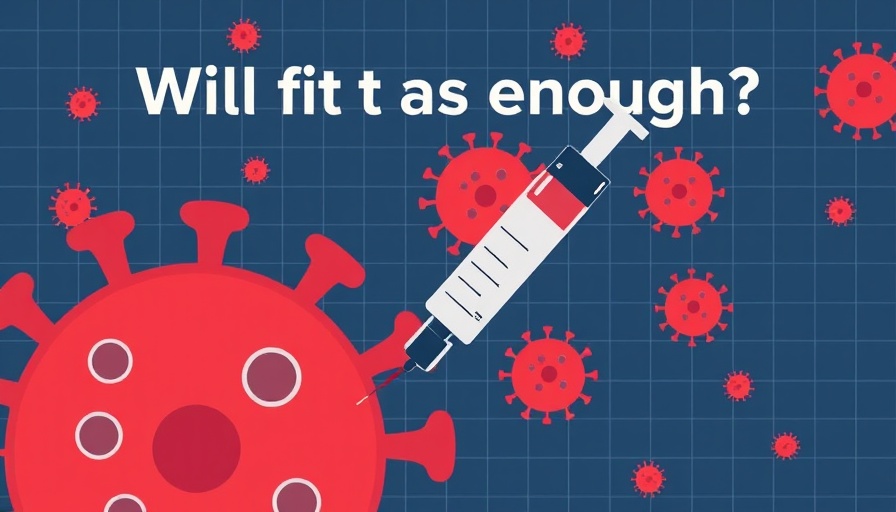
COVID-19 Vaccine Development Challenges illustration with syringe and virus particles.

COVID-19 Vaccine Development: A Race Against Time

The race to develop a vaccine against COVID-19 has been one of the most urgent health challenges of our time. As of May 2020, over 169 potential vaccines were in various stages of development, fueled by billions in investments. However, even with remarkable scientific progress, the journey from laboratory to widespread use is fraught with complexities that may lead to significant delays in overcoming the pandemic.

In 'Why It Could Take Years to Beat COVID-19,' the discussion dives into the complexities of vaccine development and distribution, prompting us to analyze the pressing challenges and future implications.

Understanding Vaccine Mechanisms

The fundamental principle of vaccination involves training the immune system to recognize and combat pathogens before they manifest as full-blown illnesses. Vaccines stimulate the immune system, introducing harmless elements of the virus, allowing the body to learn to respond effectively. While this concept appears straightforward, the vaccine development process is anything but simple.

Consider the example of the hepatitis C virus; despite two decades of research, a safe and effective vaccine remains elusive. Similar complications surround the SARS-CoV-2 virus responsible for COVID-19, with numerous factors affecting its vaccine's safety and efficacy.

Safety Comes First: A Critical Step

The safety of any vaccine must be established before it can be administered widely. The dengue vaccine controversy, where it was discovered that some recipients faced heightened risks, underscores the critical importance of extensive testing. A COVID-19 vaccine would require rigorous trials to ensure that the benefits significantly outweigh the risks.

Effectiveness: Meeting Vaccine Expectations

Even with a safe vaccine, effectiveness can vary widely. For instance, vaccines for measles have shown a 99% success rate with two doses, while influenza vaccines typically fall between 50-70% effectiveness due to the virus's constant mutations. The COVID-19 vaccine's success will hinge not only on its safety but also on its efficacy across diverse populations.

The Herd Immunity Challenge

To successfully manage COVID-19, an adequate percentage of the population needs to be vaccinated. The reproduction number (R0) of COVID-19 is estimated at 3, suggesting that approximately 66% of the population would need vaccinations to achieve herd immunity. However, with no vaccine boasting 100% efficacy, this number might need to be higher.

In Australia, this could translate to over 16 million doses that must be administered promptly. Nevertheless, achieving widespread vaccination requires effective systems in place for distribution and public participation, which presents unique challenges. Vaccine hesitancy and differing attitudes towards vaccination can further complicate efforts.

A Global Perspective: A Unified Approach to Vaccination

In an interconnected world, the success of vaccination efforts in one country depends heavily on global actions. The importance of ensuring equitable vaccine access cannot be overstated. With nations competing for limited doses, lower-income nations may find themselves at a disadvantage, amplifying disparities in global health outcomes.

Historical vaccine rollout data reveals stark transactional differences, as seen with the flu vaccine rates in various countries; Australia had a 73% flu shot rate in older citizens in 2018 compared to just 12% in Thailand. Thus, a collaborative and well-coordinated global effort is not only beneficial but essential in overcoming this pandemic.

The Role of Time in Vaccine Deployment

Time is a critical factor in the path to immunization, with every week of delays leading to further repercussions—jobs lost, businesses collapsing, and individuals unable to meet their living expenses. The rollout of a COVID-19 vaccine likely won't be instantaneous; plans must be formulated now to prepare for scalable distribution and production processes.

Efforts should include agreements among nations on collaborative production and distribution of vaccines, alongside partnerships between public and private sectors. Adapting to the new normal of ongoing COVID-19 management might require sustainable practices such as minimizing face-to-face interactions, maintaining good hygiene, and work-from-home options when necessary.

Looking Ahead: The Importance of Global Collaboration

The pandemic has exposed vulnerabilities in global health systems, revealing that actions in one corner of the world can deeply impact others. The challenges posed by COVID-19 raise important questions: how can nations work together to overcome this global health threat? Will the pandemic fortify international relationships or exacerbate existing rifts?

As we navigate this unprecedented period, the urgency of the COVID-19 vaccine raises critical discussions about resource distribution and international collaboration. The impending rollout offers a crucial learning opportunity for a unified global response to future pandemics.

Your Thoughts Matter

We want to hear from you! Do you believe the COVID-19 vaccine will be accessible to everyone? How do you think nations should work together to facilitate this? Share your thoughts in the comments. Together, we can foster a conversation about the future of global health.

Your Body News

0 Views

0 Comments

Write A Comment

*
*
Related Posts All Posts
01.09.2026

Why Understanding the Sources and Forms of Vitamin B12 Is Crucial

Update The Vital Role of Vitamin B12 in Our Health Vitamin B12, also known as cobalamin, is essential for numerous bodily functions. This crucial vitamin aids in the production of red blood cells, the synthesis of DNA, and the maintenance of the nervous system. Deficiency in Vitamin B12 can lead to serious health issues, including anemia, neurological disorders, and cognitive decline. Understanding the importance of this nutrient is the first step toward ensuring adequate intake and averting potential health problems. Where Can We Find Vitamin B12? Vitamin B12 is predominantly found in animal-based foods. Sources include meat, fish, eggs, and dairy products, which are rich in this vitamin. For those on a vegan diet, obtaining enough Vitamin B12 can be challenging. It is advisable for vegans to consume fortified foods, like certain cereals and plant-based milk, or to take supplements. A growing body of research emphasizes the importance of monitoring B12 levels, especially in populations at risk for deficiency. Diverse Forms of Vitamin B12 Vitamin B12 is available in several forms, including methylcobalamin, adenosylcobalamin, hydroxocobalamin, and cyanocobalamin. Each form serves distinct physiological functions. Methylcobalamin, for instance, is crucial for neurological health and is often favored for its bioavailability, while cyanocobalamin is frequently used in supplements due to its stability. Understanding these various forms is key to choosing the right supplementation and dietary approaches. Historical Context of Vitamin B12 Research The historical discovery of Vitamin B12 traces back to the early 20th century, when scientists linked its lack to pernicious anemia. This pivotal finding led to the understanding of its significance and spurred further research into its health benefits and sources. As technology evolved, the identification of B12 in diverse food sources and the development of synthetic forms enabled better accessibility and supplementation options. Addressing Common Misconceptions about Vitamin B12 Many misconceptions about Vitamin B12 persist in public discourse. A common myth is that only meat-eaters can receive adequate B12, overlooking the fortified options available for those with dietary restrictions. Furthermore, there's a misunderstanding regarding the frequency of required B12 intake; while B12 can be stored in the liver, its absorption may decline with age, necessitating regular monitoring, especially for older adults. Future Trends in Vitamin B12 Research and Supplementation As research continues to unravel the complexities of Vitamin B12 metabolism and absorption, future trends are pointing towards personalized nutrition. Advances in biotechnology may lead to improved supplementation strategies tailored to individual needs based on genetic and metabolic profiles. Furthermore, the ongoing examination of the interplay between Vitamin B12 and other vitamins and minerals may enhance our understanding of how to optimize dietary recommendations. Through deeper engagement with this topic, individuals can empower themselves with knowledge about Vitamin B12 and make informed dietary choices that enhance their overall health. As we probe further into the science of nutrition, our strategies for ensuring optimal Vitamin B12 levels can only become more refined and effective.

01.06.2026

Unlock Wellness: Why Elevating Your Legs on a Wall Works Wonders

Update The Transformative Power of Inversion: What You Need to Know In today's fast-paced world, it's easy to feel overwhelmed and disconnected from our bodies. Many of us spend long hours sitting at desks, contributing to a myriad of health issues such as back pain, stress, and poor circulation. One simple yet powerful practice that has been gaining attention is elevating your legs against a wall. This pose, often seen in yoga and wellness circles, is not just about relaxation; it offers a range of physical benefits that can enhance overall well-being.The video Put Your Legs Up on a Wall — Your Body Will Thank You explores this practice's physical benefits, prompting us to delve deeper into its positive impacts on health. Understanding the Benefits: Why You Should Try It Putting your legs up on a wall does much more than it appears. This technique helps reduce swelling, improves circulation, and alleviates tension in the spine. For those who experience leg discomfort or fatigue from standing all day, this position can provide quick relief, promoting better blood flow and relaxation. Additionally, it can benefit those suffering from anxiety or insomnia, as the inverted posture encourages a calming effect, helping to clear the mind and reduce stress levels. Incorporating the Pose into Your Routine To best experience the benefits of this simple pose, it's essential to practice it regularly. Take a few moments each day to elevate your legs—either in your bedroom, living room, or even in your office during a break. Lay down on the floor, positioning your body so that your legs are straight up against a wall. This easy practice can be done at any time—perhaps after a long day at work or as part of your evening wind-down routine. The more you make it a habit, the easier it becomes to integrate into your daily life, facilitating better relaxation and focus. Beyond Relaxation: A Cultural Perspective This practice isn't just a fleeting trend; it has roots in various cultural traditions that recognize the reciprocal connection between body and mind. In yoga and tai chi, for example, inversion poses are often encouraged to enhance vitality and mental clarity. Understanding the cultural significance of these practices can make the experience richer, helping individuals to appreciate the historical context while engaging with it personally. Common Misconceptions: Debunking the Myths Some people may believe that leg elevation is only beneficial for those who are extremely flexible or have specific health conditions. However, this practice is accessible for individuals of all fitness levels and sizes. It's a gentle way to release built-up tension and promote circulation without high-impact movements or advanced flexibility required. Remember, listening to your body and making adjustments to find what feels best for you is key to enjoying the benefits of this pose. Encouraging Mindfulness: Making Health a Priority Putting your legs up on a wall also serves as a reminder to prioritize self-care within our busy lives. Our daily routines often push aside personal wellness for tasks that demand our immediate attention. Yet, by dedicating even a few minutes to ourselves, we contribute to our long-term health and happiness. Mindfulness practices like this—no matter how small—can lead to healthier lifestyle choices and improve our overall quality of life. If you're looking for tangible ways to boost your well-being, integrating simple methods like this can pave the way for meaningful changes. It's not just about physical health—it's about nurturing our minds and spirits too. In conclusion, as seen in the video Put Your Legs Up on a Wall — Your Body Will Thank You, the act of elevating your legs on a wall is a small, yet powerful, adjustment anyone can make to support their health. From improving circulation to promoting mental tranquility, this practice encapsulates a comprehensive approach to wellness. So go ahead, find a wall, and indulge in this refreshing, restorative experience that your body will truly appreciate!

01.05.2026

How Breast Cancer Hijacks Immune System Signals for Growth

Update Breast Cancer and the Immune Response: A Troubling HijackRecent research has shed light on a disconcerting mechanism where breast cancer cells exploit the body's immune system—a defense mechanism turned into a source of cancer-fueling inflammation. This revelation underlines a complex battle, not just between cancer cells and our defenses, but within the very mechanisms designed to protect us.The Immune System’s Dual RoleThe immune system is famously known for its role in identifying and eradicating threats, including cancer cells. However, as our understanding of breast cancer evolves, so does the recognition that this same immune system can also contribute to tumor progression. Studies suggest that inflammatory responses, meant to neutralize harmful entities, can inadvertently foster a supportive environment for cancer growth. This duality highlights a challenging paradox: the immune system whose purpose is to protect can also enhance the aggressiveness of breast cancer.Understanding Inflammation: Friend or Foe?As cancer progresses, a state of chronic inflammation often develops. In the context of breast cancer, inflammation has been shown to stimulate more aggressive tumor phenotypes. The tumor microenvironment becomes a sanctuary for cancer cells, suppressing the very immune responses that could eliminate them. Research from the National Institutes of Health details how estrogen receptor-positive (ERα) breast cancers can utilize inflammatory mechanisms to evade immune detection, cementing their growth and spreading capabilities.The Role of Immunotherapy in Reversing TumorsDespite the ominous challenges presented by this hijacking of the immune system, innovations in immunotherapy provide glimmers of hope. Recent trials, like the one conducted at Moffitt Cancer Center, categorize tumors based on their immune profiles: hot versus cold. Hot tumors are associated with a rich immune response and have shown promising results when treated with immunotherapy. In contrast, cold tumors—historically how breast cancers were classified—pose significant barriers to treatment. The ongoing work to convert cold tumors into hot ones by enhancing immune responses could revolutionize treatment protocols, offering new avenues for managing metastatic cases.The Key Players: Immune Cells Under SiegeCytotoxic T cells and natural killer (NK) cells represent two crucial components of the immune response against tumors. They are meant to seek out and destroy those malignant cells. However, breast cancer cells exhibit mechanisms to downregulate the expression of key proteins, effectively rendering these immune cells ineffective. This response not only aids in tumor evasion but also has implications for how we understand treatment resistance, especially in patients who are resistant to hormonal therapies.Anticipating the Future of Breast Cancer TreatmentLooking ahead, the intersection of immunology and oncology is poised for significant evolution. Ongoing research aims to deepen our understanding of how tumors manipulate immune response and how we can leverage that knowledge to develop more effective therapies. Future initiatives will likely focus on a combination of immunotherapy approaches tailored to individual tumor profiles to restore balance in the immune system's response, steering it back toward its protective role against cancer.Conclusion: The Importance of AwarenessAs breast cancer treatment advances, it remains critical for patients and healthcare professionals alike to remain informed about how immune responses function against this disease. Understanding the complexities of immune interactions can lead to better therapeutic strategies that do not just target cancer cells directly but also manipulate the immune landscape in favor of patient health. Awareness of the immune system's roles can empower patients to engage more actively in their treatment choices.

Terms of Service

Privacy Policy

Core Modal Title

Sorry, no results found

You Might Find These Articles Interesting

T
Please Check Your Email
We Will Be Following Up Shortly
*
*
*